
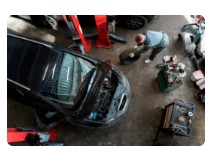
Driving Feels Different Today
The automotive industry has changed quickly during recent years. Cars are no longer simple machines that only help people travel from one place to another. Modern vehicles now include advanced safety systems, better fuel efficiency, smart connectivity features, and improved comfort for daily driving needs.
Many buyers pay close attention to technology before making any purchase decision. Engine performance still matters for most people, but convenience features often influence buying choices just as much. Drivers expect vehicles to offer useful tools that improve their overall experience during everyday travel.
Manufacturers continue investing heavily in research and development projects. Competition remains strong across different market segments because consumers want vehicles that provide value without sacrificing reliability. This trend keeps pushing innovation across the entire transportation sector.
Smarter Safety Features
Safety improvements represent one of the biggest achievements in modern vehicle development. Years ago, many protective technologies were available only in expensive luxury models. Today, several of those features appear in affordable vehicles as well.
Automatic emergency braking helps reduce collision risks during unexpected traffic situations. Lane departure warnings provide alerts when drivers unintentionally move outside their lanes. Blind spot monitoring systems help improve awareness during highway driving conditions.
These technologies do not replace responsible driving habits completely. Drivers still need to remain focused and alert throughout every journey. However, additional support systems can reduce human errors and contribute to safer road environments.
Government regulations have also encouraged manufacturers to improve vehicle safety standards. As a result, consumers now have access to better protection than previous generations enjoyed.
Fuel Economy Matters More
Fuel prices often influence vehicle ownership costs significantly. Because of this reality, manufacturers focus heavily on improving engine efficiency without reducing performance capabilities.
Smaller turbocharged engines have become increasingly common across many vehicle categories. These powertrains can deliver respectable performance while consuming less fuel during normal driving situations. Hybrid technology has also gained popularity among buyers seeking lower operating expenses.
Weight reduction strategies play an important role in efficiency improvements. Engineers use advanced materials and smarter design approaches to create lighter vehicles. Reduced weight often contributes to better fuel economy and improved handling characteristics.
Consumers frequently compare efficiency ratings before making purchasing decisions. Vehicles that offer lower fuel consumption can provide long-term savings throughout ownership periods.
Electric Vehicles Gain Attention
Electric vehicles continue attracting interest from consumers around the world. Improvements in battery technology have increased driving ranges compared to earlier models. Charging infrastructure also continues expanding in many regions.
Several advantages encourage buyers to consider electric transportation options. Lower maintenance requirements often appeal to cost-conscious owners. Electric motors provide smooth acceleration and quiet operation during everyday driving conditions.
Challenges still exist despite growing adoption rates. Charging availability varies depending on location and infrastructure development. Initial purchase prices remain higher than some traditional alternatives.
Even with these concerns, market demand continues growing steadily. Many industry experts expect electric vehicle adoption to increase further during coming years as technology advances and costs gradually decline.
Connected Cars Everywhere
Vehicle connectivity has become a standard expectation among modern consumers. Drivers want easy access to navigation, communication, and entertainment functions without unnecessary complications.
Smartphone integration systems allow users to connect their devices quickly and conveniently. Voice control technology helps reduce distractions while accessing various vehicle functions. Navigation systems provide real-time traffic updates that help drivers avoid delays.
Remote vehicle management features have also gained popularity. Some owners can check vehicle status, lock doors, or start climate control systems using mobile applications. These capabilities create additional convenience for busy lifestyles.
Technology integration continues evolving rapidly. Future developments may offer even greater levels of connectivity and personalization for vehicle owners.
Maintenance Still Remains Essential
Advanced technology does not eliminate the need for regular maintenance practices. Proper vehicle care remains important for reliability, safety, and long-term performance outcomes.
Routine oil changes help protect engine components from unnecessary wear. Tire inspections support safe handling and improved fuel efficiency. Brake system evaluations help identify potential issues before they become serious problems.
Ignoring maintenance schedules often leads to expensive repairs later. Small concerns can become major mechanical failures when neglected for extended periods. Preventive maintenance generally costs less than corrective repairs.
Vehicle owners should review manufacturer recommendations carefully. Following suggested service intervals helps maximize vehicle lifespan and maintain dependable operation.
Buying Decisions Need Research
Vehicle shopping involves many factors beyond appearance and pricing considerations. Consumers should evaluate their transportation needs before selecting any particular model.
Family size influences space requirements significantly. Daily commuting distances may affect fuel economy priorities. Budget limitations often determine available options within specific market segments.
Test drives provide valuable information that specifications alone cannot reveal. Comfort, visibility, and driving dynamics become easier to evaluate through direct experience. Buyers should compare multiple alternatives whenever possible.
Online reviews and professional evaluations can provide useful insights. However, personal requirements should remain the primary consideration during decision-making processes.
Future Industry Developments
The future of transportation appears increasingly technology focused. Manufacturers continue exploring innovations that may transform driving experiences during coming decades.
Autonomous driving research remains an important area of development. While fully self-driving vehicles are not yet common, progress continues steadily. Advanced driver assistance systems represent significant steps toward greater automation capabilities.
Sustainability concerns also influence future product strategies. Companies seek ways to reduce environmental impacts while maintaining consumer satisfaction. Alternative power sources and improved manufacturing methods receive substantial attention.
Market conditions will continue shaping development priorities. Consumer expectations, government regulations, and technological advancements will influence future directions across the automotive sector.
Value Beyond Transportation
Vehicles serve purposes beyond simple transportation needs. Many people depend on their cars for work responsibilities, family activities, and everyday convenience. Reliability becomes extremely important when transportation plays such a central role in daily life.
Modern buyers expect balanced performance across multiple categories. Safety, efficiency, comfort, technology, and affordability all contribute to overall satisfaction levels. Manufacturers must address these expectations while remaining competitive within crowded markets.
As innovation continues progressing, consumers will likely gain access to even better transportation solutions. The pace of change remains impressive, creating opportunities for improved driving experiences across different vehicle segments.
Conclusion
The automotive industry continues evolving through technology, efficiency improvements, and changing consumer expectations. Readers who follow updates from theautofreaks.com/ can better understand new developments shaping the future of transportation. Smart safety systems, connected features, electric vehicles, and improved efficiency standards are influencing how manufacturers design modern vehicles. Buyers who research carefully and focus on practical needs often make better purchasing decisions. Staying informed about emerging trends can help consumers choose vehicles that deliver long-term value, reliability, and convenience. Keep learning about industry developments and make informed automotive decisions with confidence.
Read also:-
