
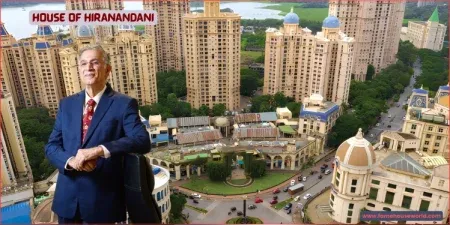
Business tycoons often live in homes that attract attention because their properties can reflect wealth, work habits, personal taste, and long-term success. famehouseworld.com gives readers another place to explore information about business personalities, impressive houses, lifestyle details, and the spaces connected with well-known entrepreneurs. A large home is not simply a bigger version of an ordinary house, because planning becomes more complicated when the property includes several living areas, private offices, entertainment spaces, gardens, guest rooms, security arrangements, and staff facilities. The interesting part is not only how expensive a property looks from outside. It is also how different areas are organized and why certain features may be useful for someone with a demanding professional life. Looking at these details can make luxury homes easier to understand without treating every expensive feature as necessary for normal living.
Understanding The Main Residence
A business tycoon’s main residence often combines several functions that would normally be spread across separate buildings or locations. The property may include private family areas, formal reception rooms, offices, dining spaces, entertainment rooms, and outdoor areas. Larger homes also need practical circulation because people should be able to move between different sections without constantly crossing private spaces. The number of rooms alone does not explain how useful a property actually is. Layout, room proportions, natural lighting, storage, and access between areas can matter just as much. Some homes are designed around privacy, while others place greater attention on entertaining guests or hosting professional meetings. Understanding the basic layout gives readers a more realistic idea of how a large residence operates during ordinary days and special occasions.
Separating Work From Home
Successful business owners often have demanding schedules, which can make a dedicated work area useful even when the main property is extremely comfortable. A private office can provide a quieter place for calls, meetings, planning, reading documents, or handling important business matters without using a family living area. Some larger residences may include more than one workspace because different activities require different levels of privacy. An office can also need additional storage for records, equipment, books, and technology. Good lighting and sound control can become important when meetings happen regularly. The design does not necessarily need to look extremely luxurious to be practical. A well-organized workspace with suitable dimensions, comfortable furniture, reliable technology, and limited distractions can support productive work much better than an impressive room that was designed mainly for appearance.
Planning Private Family Areas
Large residences often separate private family spaces from areas intended for visitors and formal activities. Bedrooms may be positioned away from reception rooms so family members can maintain a quieter daily routine when guests arrive. Children’s rooms may also have nearby study or recreation areas depending on the household’s needs. A main bedroom can include additional spaces such as dressing areas, bathrooms, sitting rooms, or private outdoor access. These features can increase comfort, although they also increase the amount of space that needs cleaning and maintenance. Family privacy becomes particularly important in large homes because different people may have different schedules throughout the day. A thoughtful layout can allow household members to move around independently without making the property feel disconnected or difficult to navigate.
Making Guest Areas Useful
Guest spaces can serve several purposes inside a large business residence. Some properties include formal living rooms for important visitors, while others have more relaxed areas where friends and family can spend time together. Guest bedrooms may include private bathrooms, storage, and separate entrances when the property is designed for frequent visitors. The location of guest areas can also affect privacy because visitors should not need to pass through personal family spaces to reach their rooms. Large dining rooms and outdoor seating areas can support gatherings, although these spaces require regular maintenance even when they are not used every day. The most practical guest areas are usually those that feel connected to the main property while still allowing visitors to remain reasonably independent during longer stays.
Designing Entertainment Spaces
Entertainment rooms can become a noticeable part of large homes because they allow owners to enjoy hobbies without leaving the property. Home theaters, gaming rooms, music spaces, indoor lounges, and private bars can all be designed around particular interests. The dimensions of these rooms matter because screens, speakers, seating, tables, and equipment need enough space to work together properly. A theater, for example, requires more than a large screen because viewing distance, seating arrangement, sound placement, and room shape all influence the experience. Entertainment areas can also be designed for groups rather than individual use. This makes furniture placement and movement important when several people occupy the room at the same time. Expensive equipment becomes less useful when the surrounding space has been poorly planned.
Using Outdoor Property Space
Large homes may include gardens, terraces, pools, sports areas, walking paths, or landscaped sections surrounding the main building. Outdoor space can provide room for relaxation, exercise, family activities, and private gatherings without requiring people to leave the property. Landscaping also affects how the house looks from different viewpoints and can create separate areas for different activities. Pools need surrounding clearance, equipment areas, safe access, and regular maintenance. Gardens require suitable irrigation and ongoing care, particularly when they contain large numbers of plants. Outdoor dimensions can become difficult to manage when the property is very large because every additional section adds another maintenance requirement. A well-planned outdoor area should therefore balance appearance with practical access, drainage, lighting, security, and regular upkeep.
Adding Security Without Distraction
Security can be an important consideration for people with significant public visibility or valuable property. Large residences may use controlled entrances, cameras, alarms, secure parking areas, lighting, and designated access points. The goal is usually to provide protection without making the home feel like a commercial facility. Security planning can influence the location of gates, walls, driveways, staff entrances, and visitor areas. A property may also need separate access for deliveries and service workers so that ordinary household activities remain private. Technology can support security, but physical layout still matters considerably. Poorly positioned entrances or blind areas can create practical problems even when advanced systems are installed. Good security design considers movement through the entire property rather than focusing only on the main entrance.
Considering Staff And Service Areas
Very large homes may require regular assistance from cleaners, gardeners, maintenance workers, drivers, security personnel, or other household staff. These workers need practical ways to complete their responsibilities without unnecessarily disturbing private family areas. Service entrances, storage rooms, utility spaces, kitchens, laundry areas, and maintenance sections can therefore become important parts of the property. Some luxury homes include separate staff accommodation or dedicated facilities for people working on the premises. Service routes can also be planned so deliveries move efficiently from an entrance toward storage or kitchen areas. These details rarely receive as much attention as decorative rooms, but they help explain how a large property operates behind the scenes. A beautiful home still requires ordinary maintenance work every day.
Looking At Luxury Materials
Luxury homes often use expensive materials, but the material itself does not automatically make a space practical. Stone, hardwood, glass, metal, custom fabrics, and decorative finishes can create a particular visual character while also bringing different maintenance requirements. Some surfaces are easier to clean than others, while certain materials may require specialist care. Flooring needs to work with the amount of foot traffic expected in each room. Kitchen surfaces should tolerate regular use, while bathroom materials need to handle moisture appropriately. Large windows can provide excellent natural lighting but may also require more cleaning and careful temperature management. Looking at materials through both appearance and function gives a more useful understanding of why particular finishes are chosen.
Balancing Luxury With Comfort
Luxury does not always mean adding more features to every room. A residence can become uncomfortable when spaces are oversized without a clear purpose. Very large furniture can make a room difficult to move through, while excessive decoration can make maintenance complicated. Comfortable seating, sensible lighting, useful storage, suitable temperature control, and practical room proportions can have a greater daily effect than decorative objects. Business owners may spend significant time at home because professional responsibilities can continue beyond ordinary office hours. This makes comfort particularly relevant in spaces designed for reading, relaxing, eating, or spending time with family. The most useful luxury features are often those that quietly improve everyday life instead of simply attracting attention when visitors arrive.
Understanding Property Maintenance
Large properties require considerable maintenance because every additional room, garden, system, and outdoor feature creates another responsibility. Heating and cooling equipment, electrical systems, plumbing, elevators, pools, landscaping, security technology, and household appliances all need periodic attention. A property can look impressive while still becoming difficult to manage if maintenance planning was ignored during design. Access to mechanical areas should be considered because technicians need enough room to inspect and repair equipment. Storage for cleaning supplies and maintenance tools also needs practical organization. Even decorative features can require regular care. Understanding maintenance gives readers a more complete view of luxury property ownership because the visible appearance represents only one part of keeping a large residence functional.
Considering Location And Privacy
The location of a business tycoon’s home can influence its design just as much as the building itself. Urban properties may focus on privacy through walls, controlled entrances, landscaping, and carefully positioned windows. Rural or larger suburban properties may have more land but can require longer driveways, additional security arrangements, and greater maintenance. Access to airports, business districts, schools, hospitals, and other services can also influence where a person chooses to live. Privacy becomes particularly relevant when the owner is publicly known or regularly receives professional visitors. The surrounding environment can affect noise levels, traffic, views, and security. A large house in an inconvenient location may offer less practical value than a smaller property positioned close to the places the household regularly needs to reach.
Conclusion
Business tycoon homes can reveal much more than wealth through their layouts, private spaces, offices, entertainment areas, outdoor sections, security systems, and service arrangements. The most interesting details often involve how the property functions rather than simply how expensive individual rooms appear. Large residences need careful planning because privacy, maintenance, comfort, staff movement, security, and family routines all have to work together. famehouseworld.com can provide additional information for readers exploring business personalities, luxury residences, lifestyle details, and the homes connected with successful entrepreneurs. Looking at these properties through practical design details creates a clearer understanding of how large homes are organized and why certain features become important for people with demanding professional and personal lives.
Read also :-
where does nischay malhan live
where does triggered insaan live