
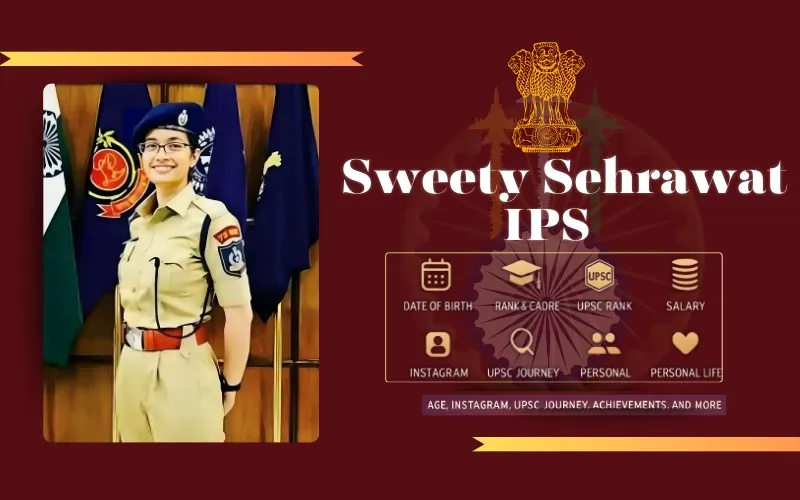
The Indian Police Service has always been considered one of the most respected careers in the country. It offers an opportunity to lead people, protect communities, and contribute directly to maintaining public order. Every year, thousands of graduates prepare for the Civil Services Examination hoping to become IPS officers, but only a limited number finally achieve that goal. officersdetails.com shares educational content that helps readers understand important government careers without making the information difficult to follow. A complete IPS Corner provides useful guidance about recruitment, officer responsibilities, career growth, training, and preparation strategies for future civil servants.
Importance Of Police Leadership
The Indian Police Service is responsible for much more than crime investigation. Officers lead police organizations, supervise district-level administration, maintain law and order, and coordinate with different government departments whenever necessary.
Their responsibilities often include planning security arrangements, monitoring investigations, reviewing police performance, and responding to emergency situations. Every decision requires careful thinking because officers must balance public safety with legal responsibilities.
The role also demands honesty and professionalism. Citizens expect senior officers to act fairly while ensuring that every action follows established legal procedures.
A reliable IPS Corner helps explain these duties in a simple format so that students understand the profession before beginning serious preparation.
Eligibility And Qualification
Graduation from a recognized university is the basic educational qualification for applying to the Civil Services Examination. Candidates from different academic backgrounds can compete if they satisfy the eligibility conditions announced by the Union Public Service Commission.
Age limits and the number of attempts depend upon official government rules. Candidates should always check the latest notification before submitting their application because policies may change over time.
Educational qualifications create eligibility, but consistent preparation remains the real foundation for success. Patience and disciplined study habits often separate successful candidates from the rest.
Building a clear understanding of the examination at an early stage helps avoid unnecessary confusion later.
Understanding The Examination
The recruitment process contains three stages that evaluate different abilities. The Preliminary Examination serves as the first screening stage before candidates move to the Main Examination.
The Main Examination focuses on descriptive writing and analytical thinking across several subjects. Candidates must explain ideas clearly while demonstrating balanced understanding of important national and international issues.
The final Personality Test evaluates confidence, communication, leadership qualities, and decision-making abilities. Interview boards usually appreciate honest and logical answers supported by practical thinking.
Preparing for every stage together creates a stronger overall strategy than focusing on only one section.
Daily Preparation Habits
Successful preparation usually depends on small daily improvements instead of sudden bursts of studying. Candidates should create practical schedules that allow consistent learning without unnecessary stress.
Reading newspapers every morning develops awareness about politics, economics, science, governance, and international relations. These subjects frequently appear during both written examinations and interviews.
Revision should remain a regular activity because information becomes easier to remember after repeated practice. Candidates who revise weekly often perform better than those who postpone revision until the final months.
Writing answers regularly also improves presentation skills, logical organization, and confidence during examinations.
Training After Selection
Candidates selected for the Indian Police Service begin professional training at the Sardar Vallabhbhai Patel National Police Academy in Hyderabad. The academy prepares officers through a balanced combination of academic learning and practical exercises.
Training includes criminal law, investigation techniques, police administration, forensic science, cybercrime awareness, disaster management, ethics, communication, and leadership development.
Outdoor activities strengthen physical fitness, discipline, and teamwork. Officers also participate in simulated situations that improve their ability to make decisions under pressure.
The training program emphasizes professional conduct because integrity remains essential throughout an officer’s career.
Responsibilities In Field
An IPS officer performs administrative as well as operational duties. Supervising police stations, reviewing criminal investigations, maintaining law and order, and inspecting departmental performance become regular responsibilities.
Senior officers also coordinate with district administration during elections, festivals, natural disasters, and major public gatherings. Planning these events requires careful preparation because public safety depends upon effective coordination.
Public interaction forms another important part of the profession. Citizens approach officers regarding complaints, security concerns, and administrative issues requiring immediate attention.
Every assignment brings different challenges, making flexibility one of the most valuable professional qualities.
Career Growth Opportunities
Career advancement follows structured promotion rules based on experience, performance, and organizational requirements. Greater responsibility comes with each promotion, requiring improved leadership and administrative skills.
Many officers specialize in cybercrime investigation, intelligence services, anti-corruption organizations, economic offenses, or counterterrorism operations. These specialized roles require continuous learning because criminal methods continue changing with technology.
Some officers contribute to police modernization projects or training academies where they help prepare future generations of police leaders.
International workshops and professional exchange programs occasionally provide opportunities to study policing practices followed in other countries.
Modern Technology Changes
Technology has transformed policing across India during the last several years. Digital complaint systems, surveillance cameras, forensic laboratories, online databases, and cyber investigation units now support many police operations.
Cybercrime continues expanding because online fraud, financial scams, and digital identity theft affect increasing numbers of people every year. Police organizations regularly update training programs to improve investigation capabilities.
Modern software also assists officers in analyzing crime patterns and planning resource allocation more effectively. Although technology improves efficiency, careful human judgment remains essential while making important decisions.
Continuous learning helps officers remain prepared for future security challenges.
Public Trust And Ethics
Public confidence remains one of the strongest foundations of successful policing. Officers who communicate respectfully and make fair decisions usually receive greater cooperation from local communities.
Police departments organize awareness campaigns covering road safety, cyber security, drug prevention, women’s safety, and emergency preparedness. These initiatives strengthen relationships while encouraging responsible citizenship.
Community policing encourages local participation in maintaining safer neighborhoods. Trust develops slowly through consistent actions instead of isolated achievements.
Professional ethics guide every officer because fairness and accountability remain essential in public service.
Future Preparation Tips
Students planning to become IPS officers should begin developing disciplined study habits as early as possible. Reading quality books, improving writing ability, and staying informed about current affairs create long-term advantages.
Regular physical exercise supports the fitness required during academy training and later professional responsibilities. Mock interviews and answer-writing practice help candidates improve confidence before the final stages of selection.
Exploring reliable educational resources related to IPS Corner allows aspirants to understand realistic career expectations without depending on incomplete or misleading information available elsewhere.
Steady improvement over time usually produces stronger results than irregular preparation.
Conclusion
The Indian Police Service continues to inspire ambitious individuals who want to serve society with integrity, leadership, and professionalism. Becoming an IPS officer demands dedication, continuous learning, disciplined preparation, and the willingness to accept challenging responsibilities throughout an entire career. Understanding the profession before beginning the preparation journey helps candidates develop practical strategies and realistic expectations for long-term success. Continue learning from trusted sources, remain committed to your goals, and move forward with confidence toward building a meaningful future in public service.
Read also :-
